Table of contents7 sections
Every year, I watch hotels run the same race. Recruitment ramps up before the season, onboarding swallows weeks of supervisor time, and by the time new staff can confidently run a banquet or a front desk shift, a good share of them have moved on. Then the cycle starts again.
After years of building partnerships between hotels and education, I have come to believe this is not a recruitment problem. It is a design problem. Hotels keep trying to buy readiness on the open market when they are far better placed to build it themselves.
Traditional Hotel Internship Rarely Pays Off
The industrial training placement most hotels host was designed around the student's transcript, not the hotel's roster. Trainees arrive for a few months, often unprepared for live service. Supervisors spend the first weeks teaching basics, and just as the trainee becomes genuinely useful, the placement ends. The hotel carries the cost of training and sees almost none of the return. It is no surprise that many properties treat interns as seasonal hands rather than future colleagues. That mindset is understandable, but it closes the door on the most reliable talent source this industry has.
What Changes When the Hotel Becomes the Campus
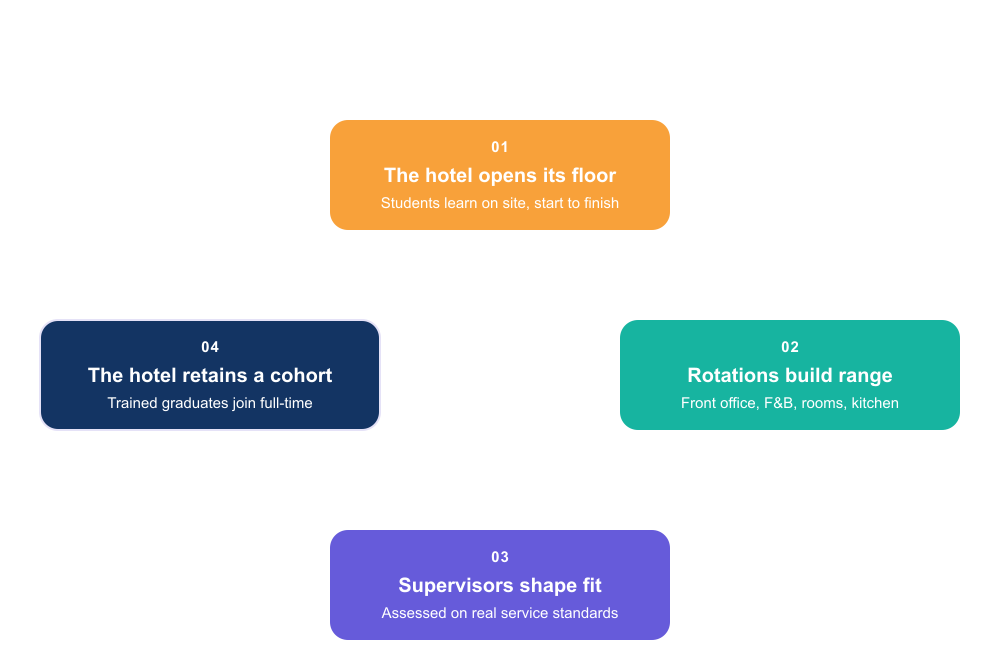
The Industry-as-Campus model reverses the arrangement. Instead of one placement squeezed into a degree or diploma, students learn and work at partner properties across their programme. They rotate through front office, food and beverage, housekeeping and kitchen operations, and their learning is assessed against how the work is actually done on the floor.
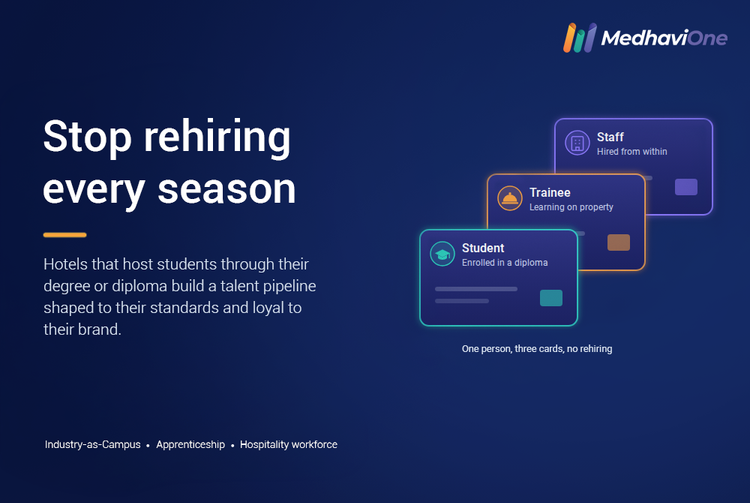
For the hotel, this is neither charity nor a CSR line item. It is workforce planning with a longer horizon. A student who has spent most of their programme inside your operations knows your brand standards, your systems and your guests well before graduation. You are not hiring a stranger with a certificate. You are confirming someone you have already watched grow.
Hotel Staff Retention Starts on Day One, Not at the Offer Letter
The strongest retention tool I know is belonging, and belonging takes time. People rarely leave a place where they have friends, a mentor and a visible next step. An Industry-as-Campus student builds all three before they sign a contract.
There is a practical advantage too. Apprenticeship rules already require establishments with 30 or more workers to engage apprentices at 2.5% to 15% of their workforce (Ministry of Skill Development and Entrepreneurship, 2019). Most hotels I speak with treat this as a compliance form. The smarter ones treat it as a hiring channel, and a structured academic partnership lets the same obligation feed a pipeline they actually want to keep.
What Makes a Hotel–Academic Partnership Work
I have seen these partnerships thrive and I have seen them stall. The difference is rarely the students. It comes down to a few choices the hotel makes early:
- Name supervisors who want to teach, and protect their time to do it.
- Agree rotation plans and assessment standards with the academic partner before the first cohort arrives.
- Make the path from trainee to full-time role visible, and honour it.
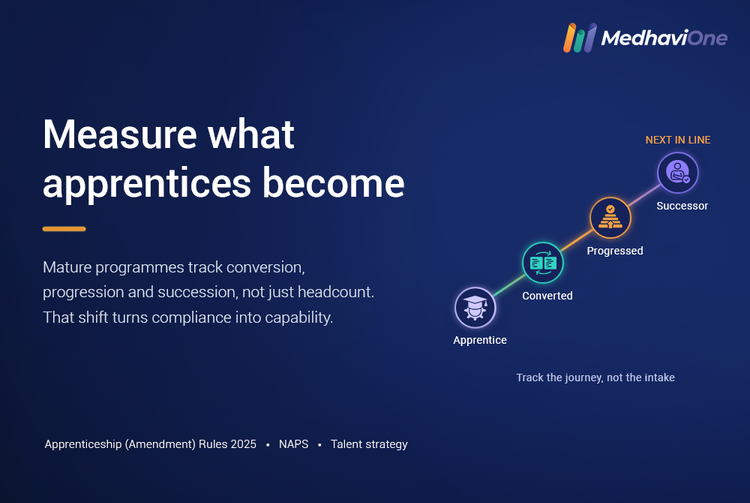
- Track conversion and 12-month retention, not just the number of students placed.
Hotels that get these right stop competing for talent at the start of every season. They grow it, cohort after cohort.
The Best Hire Is One You Have Already Trained
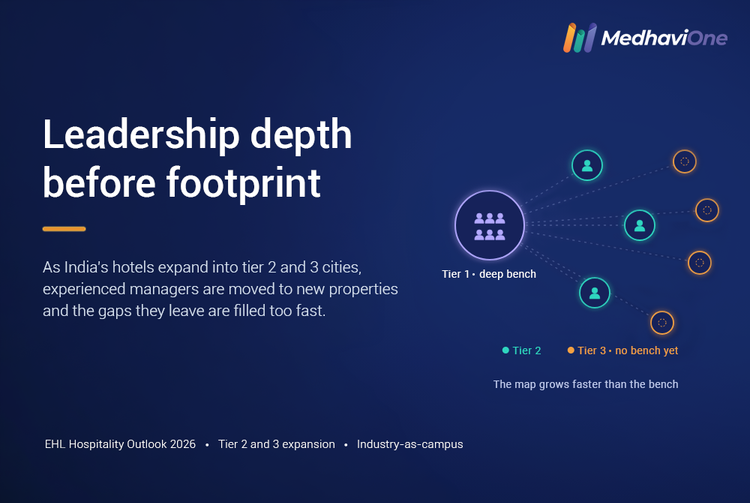
Indian hospitality is expanding into new cities and new formats faster than the talent market can keep pace. The properties that thrive will be those that stop treating students as temporary help and start treating them as the workforce they are about to become. In my experience, the most dependable hire a hotel can make is someone it has already trained.
References
Government of India (1961) The Apprentices Act, 1961. New Delhi: Ministry of Law and Justice.
Ministry of Skill Development and Entrepreneurship (2019) Apprenticeship (Amendment) Rules, 2019. New Delhi: Government of India.
Frequently asked questions
It is a work-integrated approach in which partner hotels act as learning sites throughout a student's degree or diploma, with structured department rotations and assessment against real operational standards.
A standard internship is a single short placement. Industry-as-Campus runs across the whole programme, so the hotel sees a return on the training it provides and can retain graduates it has already shaped.
It does at first, which is why choosing willing supervisors and protecting their time matters. As students progress through rotations, they need less supervision and contribute more to daily operations.
Depending on how the engagement is structured, it can be aligned with apprenticeship requirements. Hotels should confirm the specifics with their academic partner against the current rules.